Exposure to adversity during childhood, such as abuse, trauma, or poverty, is shown to have long-lasting impacts on health and development, more than doubling risk for depression later in life. Early adversity is particularly harmful when it occurs during sensitive periods, which are developmental windows where life experiences have a bigger impact on later outcomes. While we don’t fully understand why exposures during sensitive periods are particularly harmful, DNA methylation (DNAm), a type of epigenetic signature, provides a possible biological explanation for the link between childhood adversity and depression.
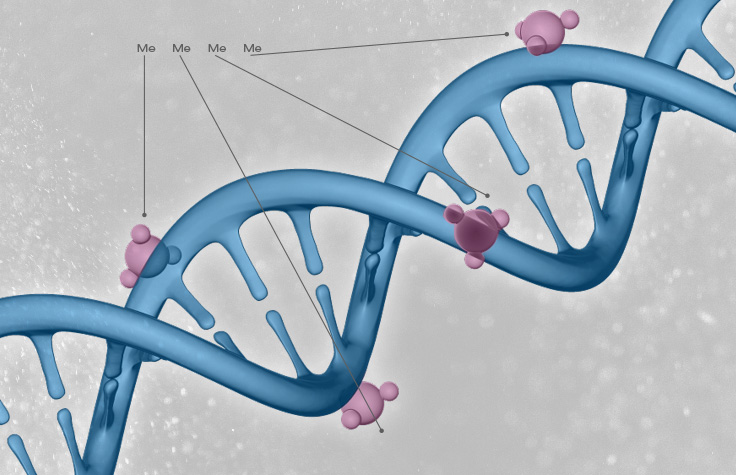
This study aims to develop and implement new ways to analyze DNA methylation risk scores (MRS) of time-varying childhood adversity using data from a large population-based cohort (the Avon Longitudinal Study of Parents and Children; ALSPAC) and summary statistics of time-varying childhood adversity and DNA methylation. Specifically, this research will identify and test a set of epigenetic biomarkers that can be used to quantify exposures to childhood adversity and predict future risk for depression. Ultimately, the findings from this study will provide a framework for the use of time-varying paradigms in MRS studies, as well as highlight novel biological signatures that can be used to explain and predict risk for mental illness across the life course.
This project is funded by the National Institute of Mental Health (NIMH) and includes collaborations with researchers at Mass General Hospital (Dr. Erin C. Dunn) and Emory University (Dr. Anke Hüls).



 The Lussier Lab